
How AI Can Protect Your Construction Margins Without Overworking Your Crew
Construction has always been a balancing act. Margins are tight, deadlines are critical, and crews work long hours to get projects done right. For business owners and foremen, the pressure to protect profitability often feels like a tradeoff between working the crew harder or risking delays, mistakes, and wasted materials. Today, AI in construction offers a better path: a way to safeguard margins, streamline operations, and keep crews focused on building—not firefighting.
One of the biggest challenges in protecting construction margins is inefficiency. Mistakes, miscommunication, and delays add up quickly. Rework, unexpected downtime, and inaccurate labor allocation all chip away at profit. Traditionally, preventing these problems has required constant oversight, long hours, and detailed manual tracking. That approach is not only exhausting for leadership, it often overworks crews and creates stress on the jobsite. Construction AI software changes that by providing real-time visibility into projects, labor, and materials. By flagging issues early—before they escalate into costly mistakes—AI allows owners and foremen to address problems proactively, rather than reacting after the fact.
Another critical way AI protects margins is by optimizing resource allocation. Labor is typically the largest expense on a jobsite, and misallocating workers or equipment can quickly eat into profits. AI tools analyze schedules, crew performance, and project requirements to ensure the right people are in the right place at the right time. This eliminates unnecessary overtime, reduces downtime, and keeps crews working efficiently. By aligning labor and equipment with project needs, AI for construction helps leaders maintain profitability without pushing crews beyond their limits.
Material waste is another hidden margin killer. Ordering too much, losing track of supplies, or mismanaging inventory leads to unnecessary costs. AI-powered construction systems can track materials, predict shortages, and alert leadership when something is out of alignment. This level of insight allows crews to work with confidence, knowing they have the right tools and materials at the right time. It also reduces the stress that comes from last-minute scrambling, which often results in longer hours and overworked teams.
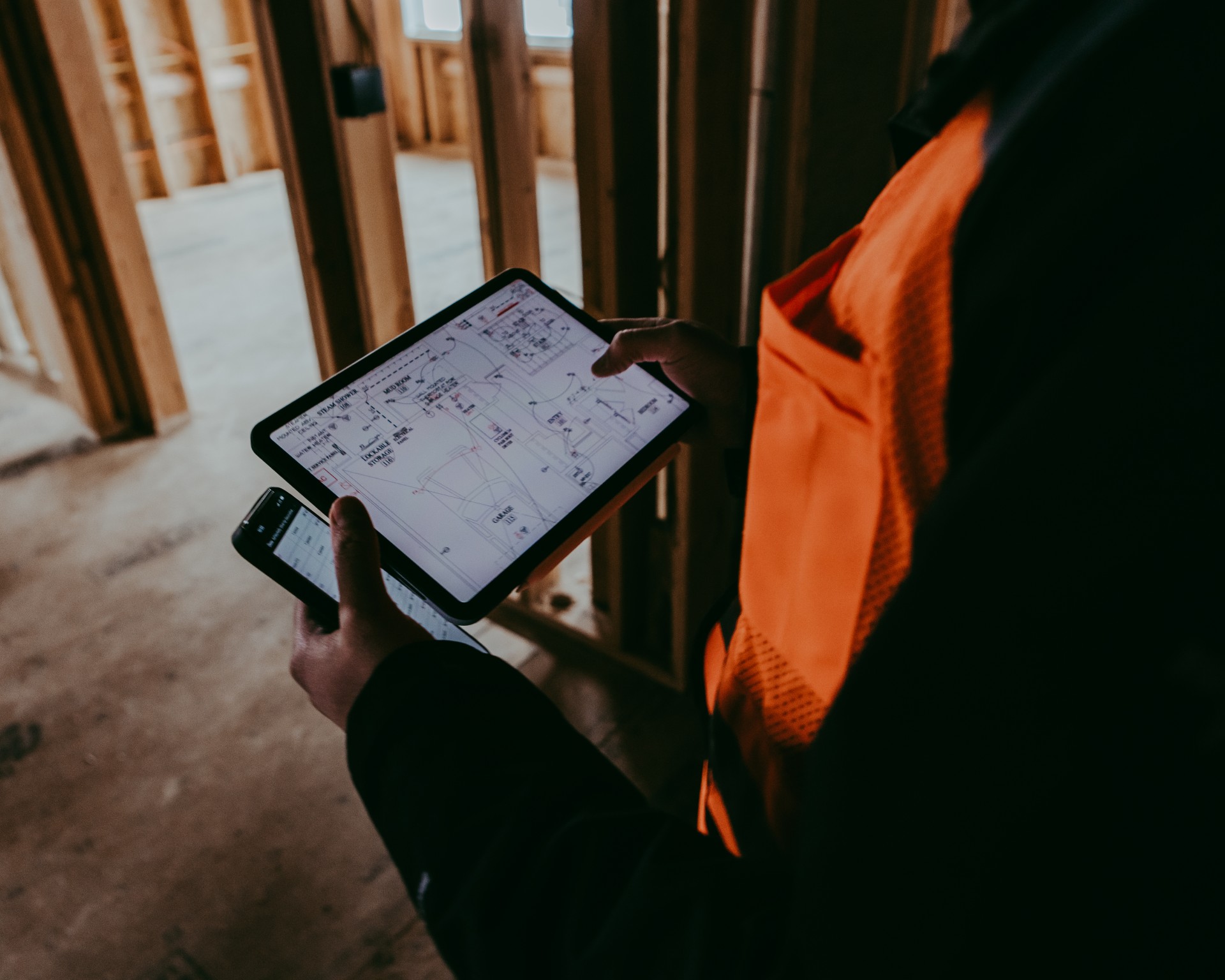
AI also improves communication between office and field teams, which directly impacts margins. Miscommunication has always been one of the most expensive problems on construction sites. When crews and foremen are unclear about project requirements or schedules, mistakes happen. AI in construction centralizes updates, provides instant notifications, and ensures that everyone is operating from the same plan. Field crews spend less time guessing or seeking clarification, which reduces errors, speeds up workflow, and keeps labor costs under control.
Importantly, AI doesn’t replace the human element—it enhances it. Skilled trades and experienced foremen remain the backbone of every project, but AI acts as a support system, giving them the information and insights they need to make better decisions. It reduces the administrative load, minimizes rework, and provides visibility across multiple projects without requiring leaders to be on-site constantly. This means teams can work smarter, not longer, and owners can protect margins without burning out the crew.
When implemented correctly, AI becomes a force multiplier for construction companies. It protects margins by catching issues before they become expensive, optimizing labor and materials, improving communication, and reducing downtime. At the same time, it respects the people on the ground by preventing overwork and unnecessary stress. The result is a jobsite that runs smoother, more predictably, and profitably—without sacrificing the wellbeing of the crews doing the work.
In today’s competitive construction landscape, the companies that embrace AI are the ones that will stay profitable and sustainable. Protecting margins no longer has to mean pushing crews harder or compromising quality. By leveraging construction AI software, leaders can maintain high standards, optimize operations, and ensure every project delivers the expected results. AI doesn’t take away control—it gives it back, allowing owners, foremen, and crews to work smarter, safer, and more efficiently every day.